
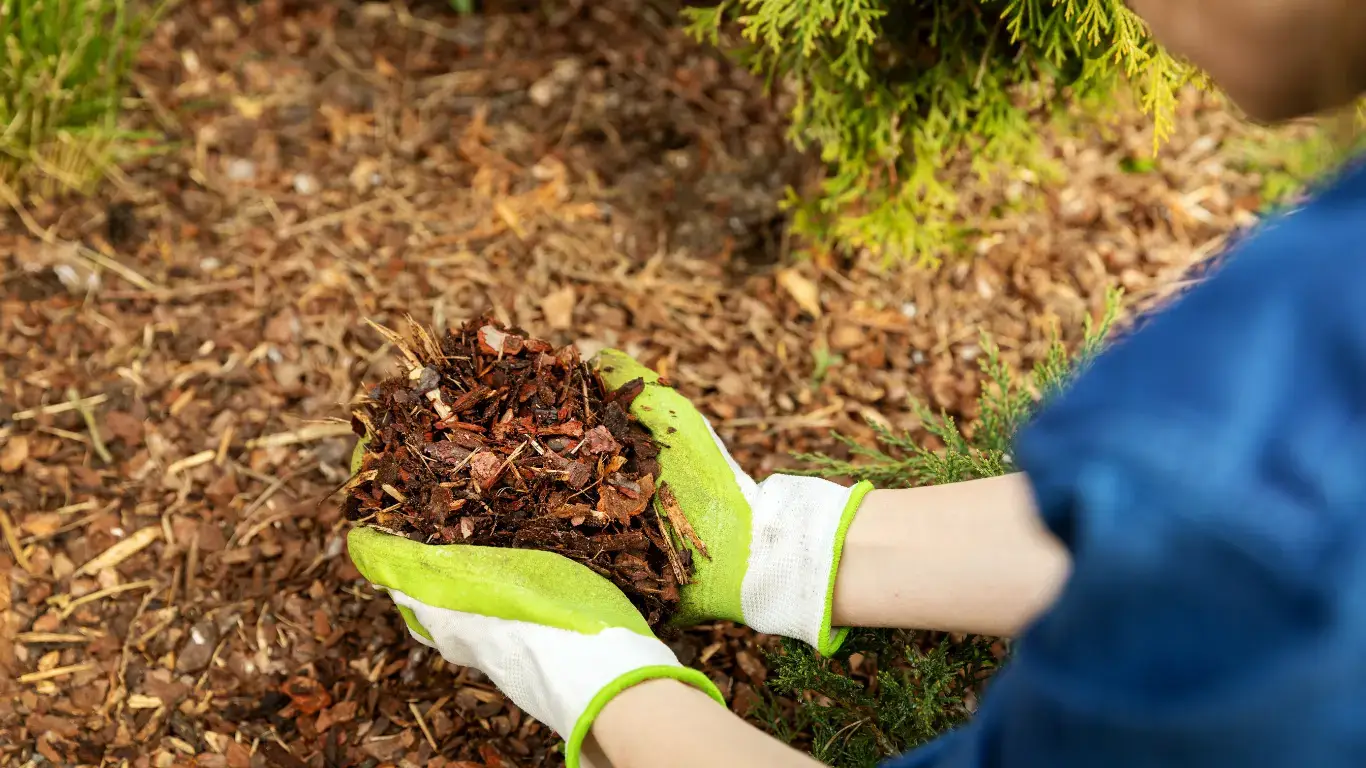
Choosing the right mulch for your Virginia garden can be a game-changer. It can enhance the health and appearance of your garden.
Virginia’s unique climate and soil conditions play a crucial role in this choice. The right mulch can help your garden thrive in the region’s specific conditions.
Mulch offers numerous benefits. It suppresses weeds, retains moisture, and regulates soil temperature.
However, not all mulches are created equal. Organic and inorganic mulches have different properties and uses.
Your choice of mulch should also consider the specific needs of your garden plants. The right mulch can protect plant roots from extreme temperatures and maintain soil pH levels.
This guide will help you navigate the world of mulching. It will provide practical advice and tips to make an informed decision about the best mulch for your Virginia garden.
Understanding the Virginia Climate and Soil for Mulching
Virginia’s climate varies significantly from region to region. This diversity affects how mulch performs in your garden.
Generally, Virginia experiences humid summers and mild winters. These conditions require a mulch that conserves moisture and regulates soil temperature.
The soil in Virginia can range from clay-based to sandy, affecting nutrient availability. Mulch can help amend these soil types by retaining moisture and enriching the soil.
Additionally, heavy rains can lead to soil erosion. A well-chosen mulch can help prevent this, protecting your garden’s foundation.
The Benefits of Mulching Your Garden
Mulching offers numerous benefits that enhance garden health. It not only improves soil quality but also boosts plant growth.
Firstly, mulch aids in moisture retention. This is crucial during Virginia’s hot summers when evaporation rates are high.
Secondly, mulch suppresses weed growth. By blocking sunlight, it limits weeds’ ability to thrive.
Moreover, mulch helps regulate soil temperature. It keeps the soil warm in winter and cool in the summer heat.
Mulch can also improve soil fertility. As organic mulch breaks down, it adds vital nutrients back to the soil.
Key Benefits of Mulching:
- Prevents soil erosion
- Enhances soil fertility
- Supports temperature regulation
- Reduces weed growth
- Conserves soil moisture
Lastly, mulch can improve your garden’s aesthetic. Its uniform appearance enhances the visual appeal of any landscape.
Organic vs. Inorganic Mulch: Pros and Cons
Choosing between organic and inorganic mulch depends on your garden goals. Both types offer unique benefits and drawbacks.
Organic mulches, like shredded bark, decompose over time. This adds nutrients to the soil, enriching its quality.
However, organic mulches need regular replacement as they break down. This can increase maintenance efforts in the garden.
Inorganic mulches, such as stone or rubber, are more durable. They provide long-term weed control without frequent renewal.
But, they don’t enhance soil fertility, as they don’t decompose. Also, they can be heavier, making them difficult to install.
Considering what your garden needs will guide your choice. Balancing aesthetics, cost, and benefits is key to deciding effectively.
Popular Organic Mulches for Virginia Gardens
Virginia gardens often thrive with various organic mulches. Shredded bark is a popular option, easily sourced and effective.
Pine needles are another favorite, especially near Virginia pines. They provide natural acidity that suits many plants.
Hardwood chips are dense and long-lasting. They offer excellent weed suppression, essential for maintaining neat garden beds.
Cedar mulch also sees wide use due to its insect-repelling properties. It’s a natural choice for gardeners seeking pest control.
Inorganic Mulch Options and Their Uses
Inorganic mulches serve distinct purposes in the garden landscape. Stone mulch is ideal for pathways, offering durability and low maintenance.
Rubber mulch, made from recycled tires, is useful in high-traffic areas. It provides cushioning and long-term functionality.
Landscape fabric can be a base layer for organic options, enhancing weed prevention. It’s particularly helpful in erosion-prone zones.
These choices cater to gardens needing lasting solutions. Inorganic mulches help reduce the need for frequent replacements.
How to Choose the Best Mulch for Your Garden Plants
Selecting the right mulch begins with knowing your plants’ needs. Different plants require varied mulch types for optimal growth.
Consider the soil type in your garden. Some mulches improve soil structure, while others help retain moisture efficiently.
Next, think about the garden’s microclimate. Areas with more sunlight may benefit from mulches that protect roots from heat.
Lastly, factor in aesthetics and maintenance levels. Choose a mulch that complements your garden design while fitting your upkeep capacity.
Mulching Techniques and Best Practices
Effective mulching involves more than just spreading mulch around plants. There are several techniques to ensure maximum benefits.
To begin, evenly distribute mulch to avoid bare spots where weeds can sprout. Consistent coverage is key to suppressing weeds.
Avoid heaping mulch against plant stems. This common mistake, known as “volcano mulching,” can cause stem rot and attract pests.
Maintain proper moisture levels through mulch thickness adjustments. In humid regions, too much mulch can retain excess moisture.
Regular maintenance is vital. Check for compacted mulch that needs loosening to allow water and air penetration.
It’s important to ensure proper mulch thickness. Consider these tips for effective mulching:
- Avoid “volcano mulching” around tree trunks
- Keep mulch away from plant crowns by a few inches
- Reapply or refresh mulch at least once per year
Selecting the correct mulch type and technique can simplify garden upkeep while enhancing plant health.
Preparing Your Garden Bed for Mulch
Start by clearing weeds and debris from the bed. This allows mulch to directly contact soil.
Ensure soil is moist and loose. Aerated soil promotes effective mulch integration and root health.
Proper Mulch Application and Depth
For most gardens, apply mulch about 2-4 inches deep. This depth helps retain moisture and suppress weeds.
Ensure even distribution to prevent areas from being over- or undermulched. Coverage uniformity is crucial.
Seasonal Timing for Mulching in Virginia
Spring and fall are ideal for mulching in Virginia. These seasons prepare plants for temperature fluctuations.
Applying mulch in these periods ensures optimal plant insulation and moisture retention throughout the year.
Environmental Considerations and Sustainable Mulching
When choosing mulch, consider its environmental impact. Sustainable mulching practices can greatly benefit your garden and ecosystem.
Opt for locally sourced mulch to reduce your carbon footprint. Local materials often adapt better to the region’s climate.
Consider biodegradable organic mulches like shredded bark or leaves. These improve soil fertility as they decompose.
Inorganic mulches, while long-lasting, may not break down and can clutter landfills. Weigh their benefits and drawbacks.
Recycled materials, such as rubber mulch from old tires, can be a sustainable choice. They offer durability and reuse existing materials.
Lastly, ensure that your chosen mulch does not disrupt native wildlife. Some mulches can influence local species positively or negatively.
Where to Source Quality Mulch in Virginia
Finding high-quality mulch in Virginia is straightforward. Start by visiting local garden centers or nurseries known for reliable products.
You might also consider local landscape supply companies. They often provide a range of mulch options and may even offer delivery services to your home.
Conclusion: Enhancing Your Garden with the Right Mulch
Selecting the right mulch benefits both your plants and soil. Proper mulch enhances health and garden appearance, providing essential support to your Virginia garden.
By understanding your garden’s needs, you can choose the best mulch options. This ensures vibrant, thriving plants throughout every season.


